




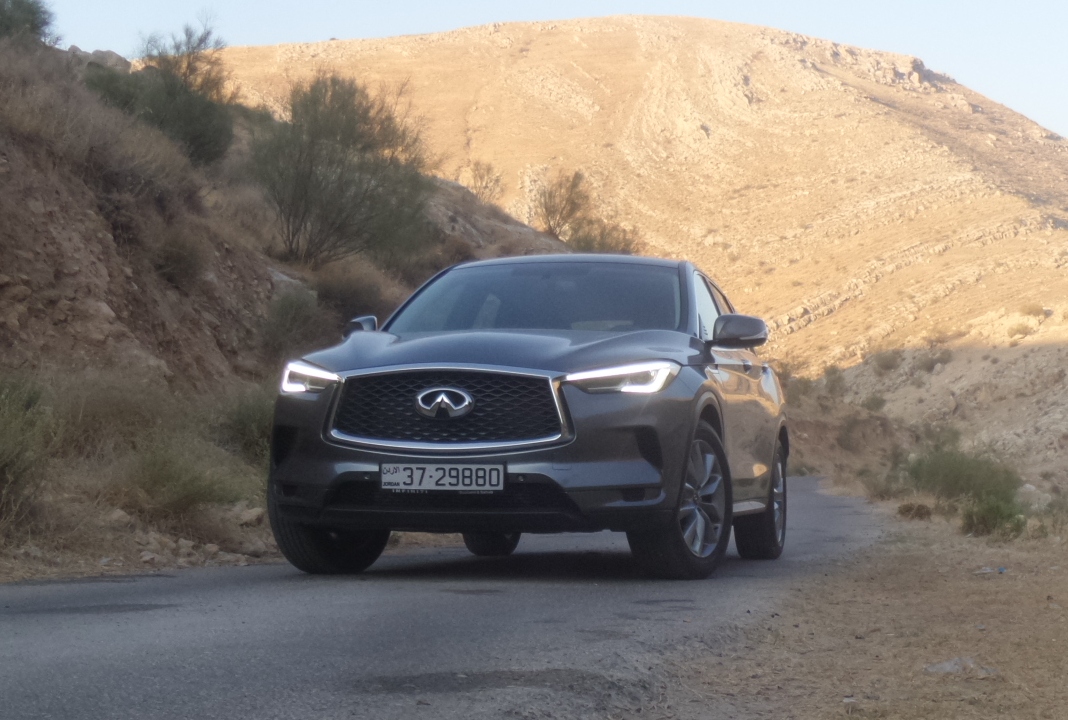
Introduced for the 2019 model year, the second generation incarnation of Infiniti’s compact premium crossover is evolutionary in that it is a larger, more luxurious and noticeably more assertively styled vehicle filling the same niche. Noted for being the first production vehicle with a radically innovative variable compression engine, the new QX50 is however a more conformist and conventional vehicle in terms of architecture and layout, and is also a radical departure from its predecessor’s more exotic and sporting front-mid engine and rear-drive oriented layout.
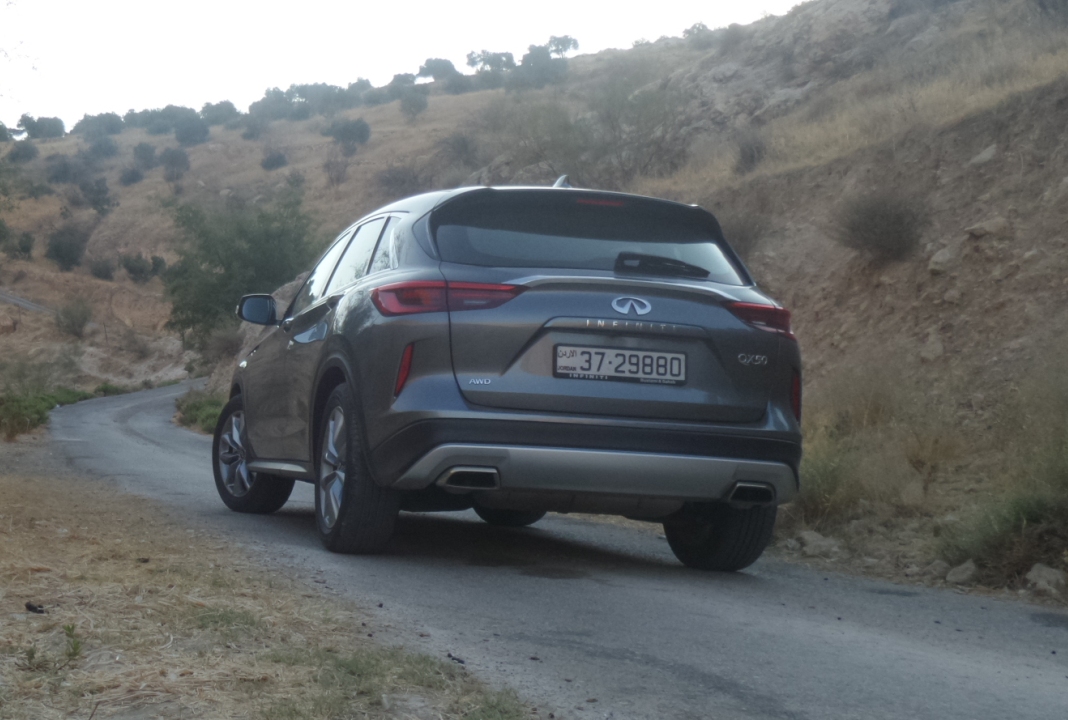
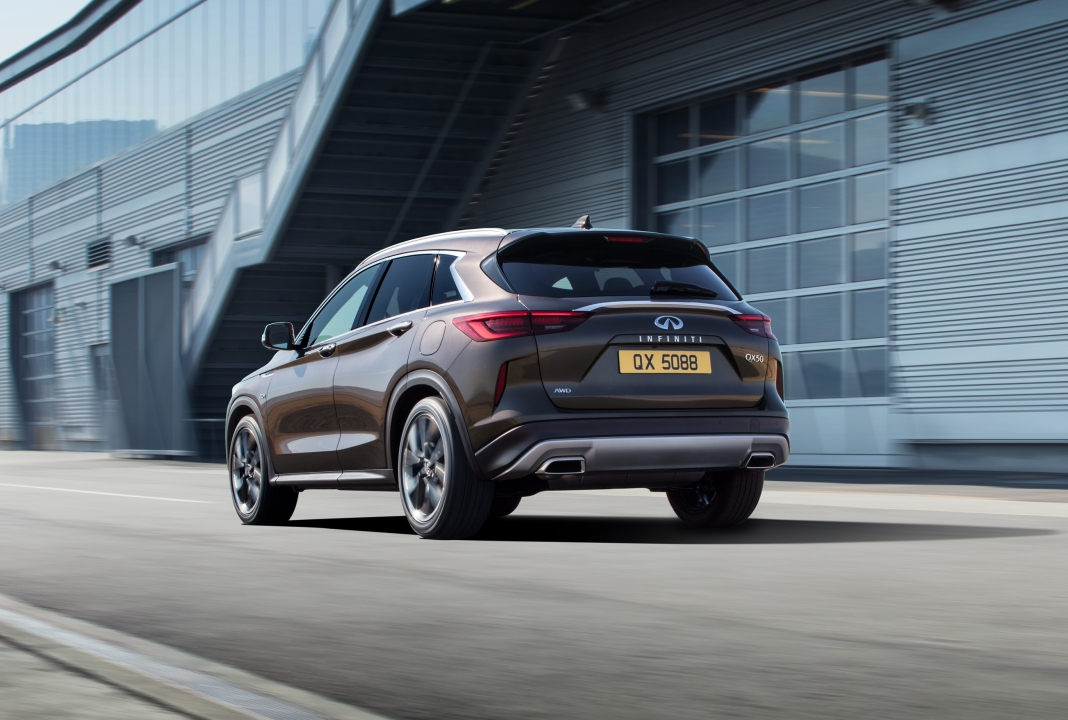
A more practical car with improved packaging, more advanced equipment and technology, and significantly enhanced fuel efficiency, the new QX50 is also an arguably better looking car in terms of styling detail and body surfacing, next to its predecessor’s perhaps quirkier headlight and rear bumper design details. By comparison, the previous QX50 was however blessed with elegantly sporty classic long bonnet proportions, derived from the front-mid engine architecture it shared with other Infiniti SUVs and saloons, and in truncated form, even with Nissan’s 370Z sports car.
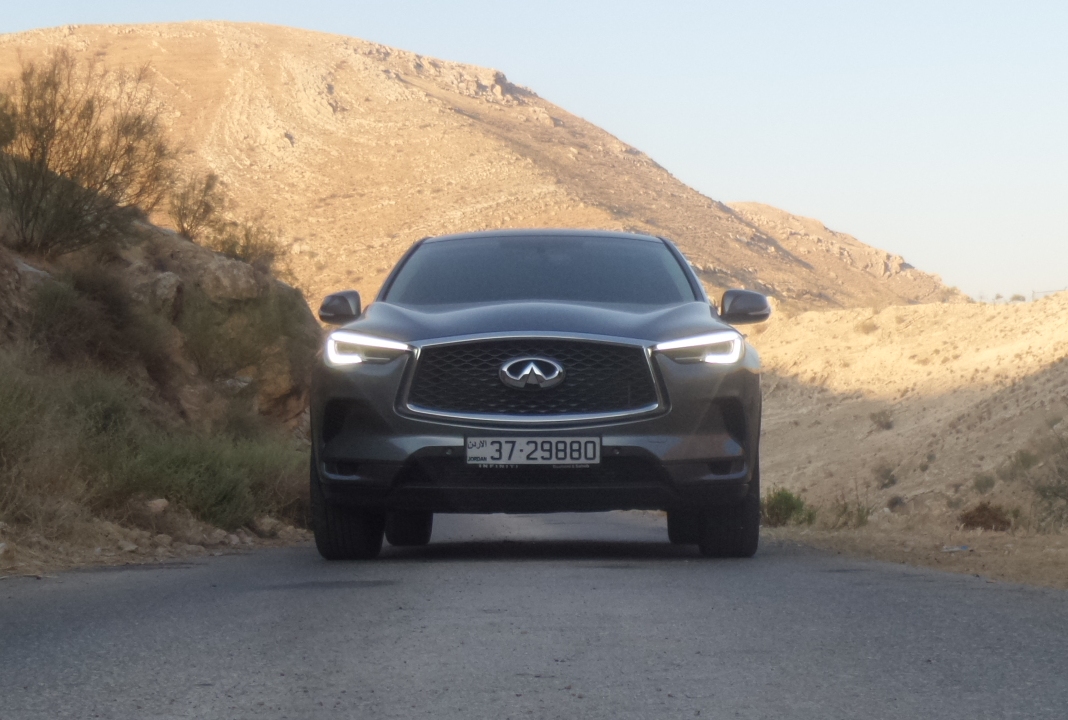
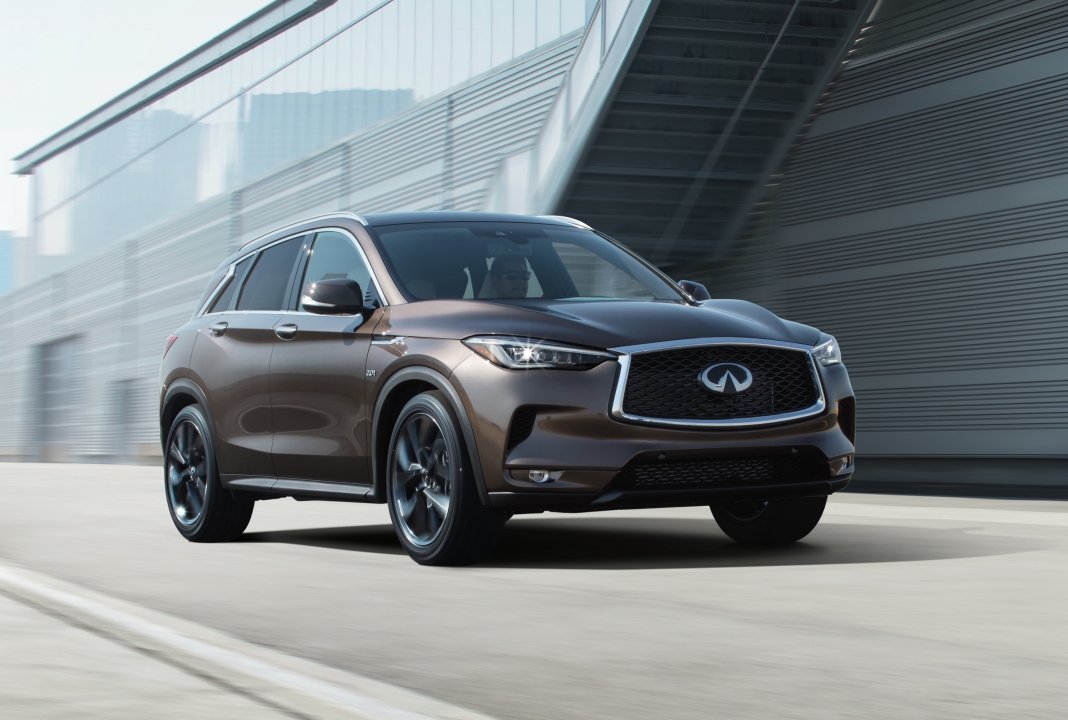
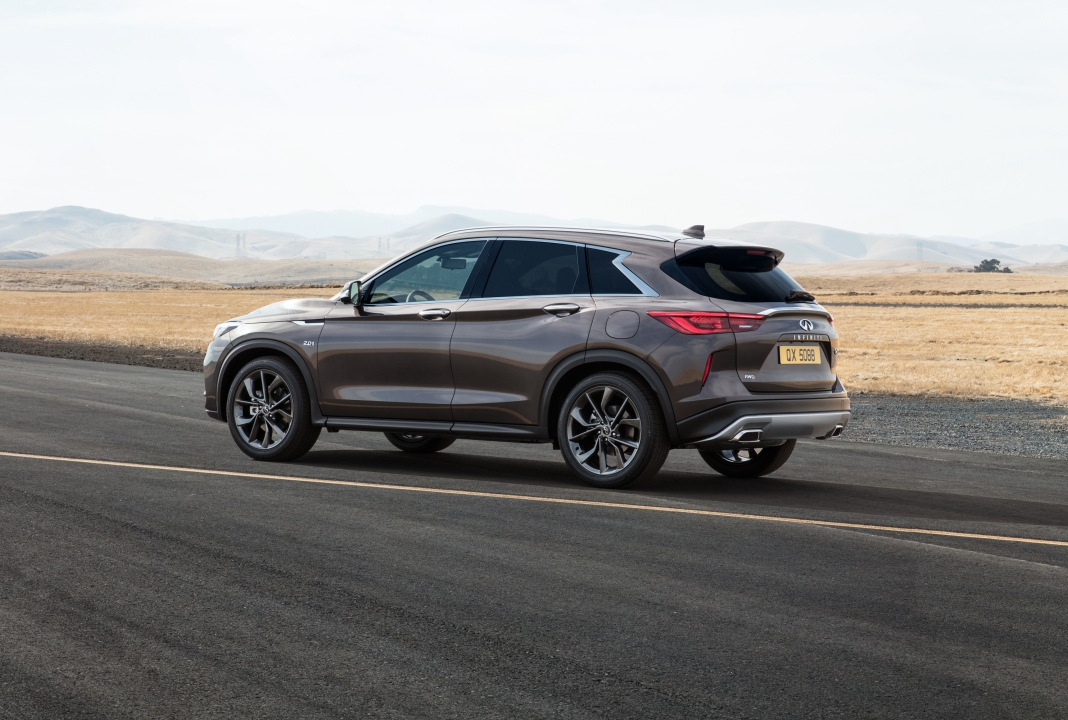
Built on a front-drive based Nissan-Renault all-wheel-drive platform shared with the Nissan X-Trail, the new QX50 might not have the same graceful proportions and chassis balance as its predecessor, but is better at being a practical crossover SUV. Its design features a higher waistline and more complex yet evocatively wavy lines and sculpted surfacing. With a taller bonnet with muscular twin ridges, the chiseled new QX50 is decidedly more assertive, with a dramatic fascia incorporating slim moody headlights, deep lower side intakes and a large, hungry grille design.
Significantly downsized from its predecessor’s smooth and rewardingly eager revving but thirsty naturally-aspirated in-line 3.7-litre V6, the new QX50 2.0T’s sole engine is instead a highly innovative and efficient turbocharged 2-litre transverse 4-cylinder engine with dual direct and port fuel injection. The new QX50’s pièce de résistance is however its world’s first variable engine compression system. Using a complex multi-link connecting rod set-up, which seamlessly varies the engine’s compression ratio (and capacity and stroke length) to 14:1 by allowing the piston to travel higher and attain higher combustion efficiency.
To avoid the premature combustion or ‘knocking’ that high compression engines are susceptible to in certain conditions, the QX50’s engine alternatively lowers compression to 8:1, at which point it produces more turbocharged power and torque output. Delivering comparable output as its larger displacement predecessor, it produces 268BHP at 5,600rpm and a brawny 280lb/ft torque throughout a broad and ever-accessible 1,600-4,800rpm range. Quick to spool and with negligible turbo lag the hefty 1,792kg new QX50 is estimated to provide similarly brisk 6.5-second 0-100km/h acceleration.
Responsive from standstill and smooth running, the QX50 engine’s muscularly versatile mid-range torque sweet spot is complemented by eager-revving top-end delivery. Peakier than many turbo engines, the QX50’s variable compression engine feels exciting, engaging and ever-willing, despite revving lower than its predecessor. Channeling power to the front wheels and to the rear as needed, the QX50’s silky smooth continually variable transmission (CVT) system fine tunes ratios for best efficiency. If not as driver engaging as a traditional gearbox, the QX50’s CVT is among the best of such systems.
Seamlessly smooth changing ratios, the QX50’s CVT also seems to better match revs to ratios for a more natural driving feel, and is more willing to let the engine rev higher than most CVTs, with less of less of the ‘slingshot’ feel typical to many such transmissions, where the car seems to play catch up with engine revs. The QX50’s CVT also features a manual mode, where it simulates a traditional automatic gearbox with well-maintained pre-set ratios. Similarly smooth is the QX50’s comfortably forgiving and reassuringly stable highway ride quality.
Finding a good balance between forgiving and firm in its damper and spring rates, the new QX50 may not have the same sporting architectural DNA of the old model, but is nevertheless a dynamically capable and reassuring drive with light, direct and quick steering, tidy turn-in and good cornering body control for its class. More agile than expected through winding roads, the QX50 feels composed and confident, especially when accelerating out of a corner to send power to the rear and enhance grip, rather than relying on electronic stability controls.
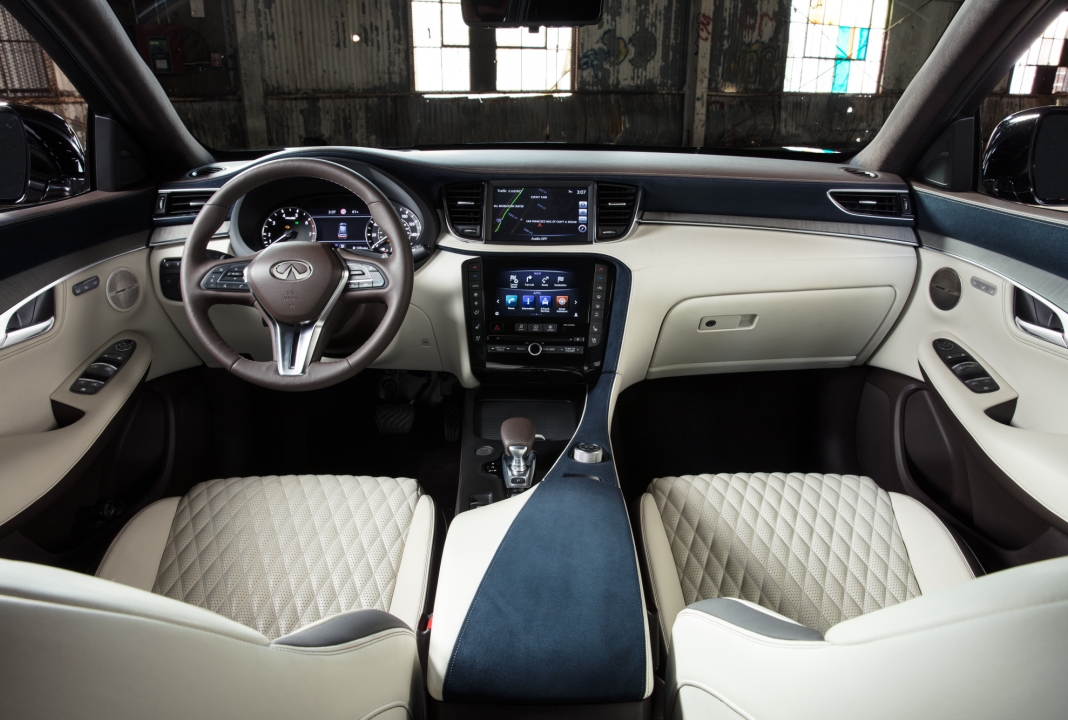
Well-absorbing lumps, bumps and potholes, the QX50 is comfortable and smooth with excellent cabin refinement. Well-appointed with soft textured surfaces, and leathers, its cabin has a well-assembled and premium quality. A practical crossover with easy cabin access, generous passenger and luggage room, the QX50’s rear seats better accommodate larger occupants than expected. Fresh and user-friendly in design and layouts, its cabin is well-equipped with convenience, safety and infotainment features, and usefully includes a front parking sensor and rear camera to better maneuver its now wider, higher and more voluptuously curvy body.
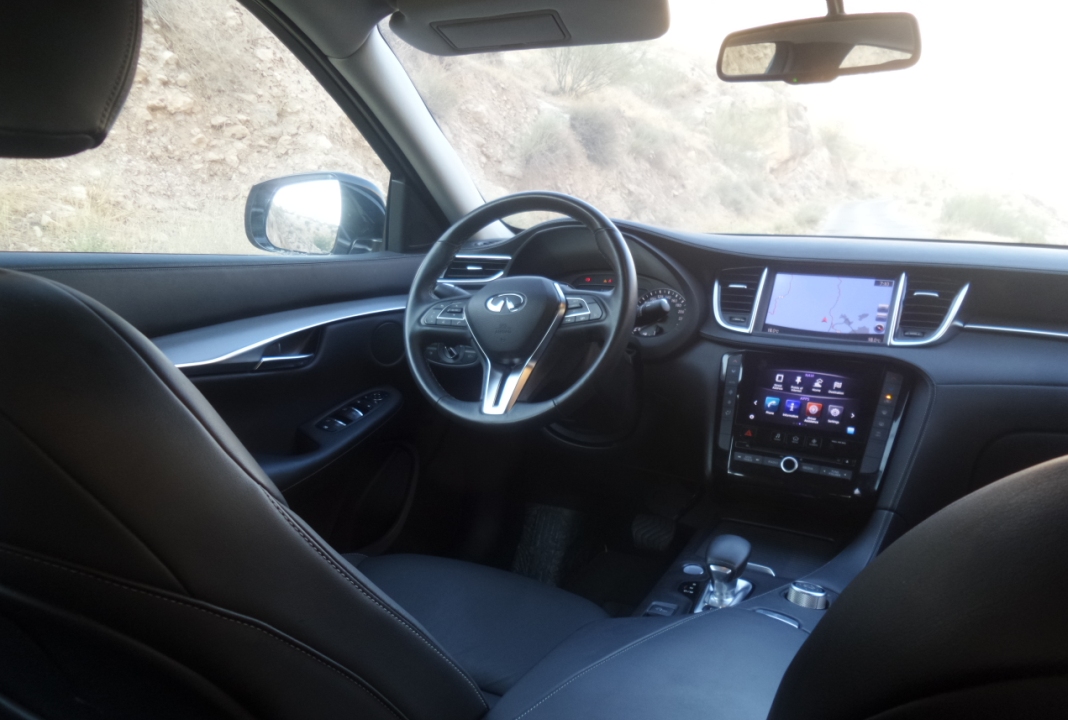
Specifications: Infiniti QX50 2.0T AWD
- Engine: 2-litre, transverse turbocharged 4-cylinders
- Bore x stroke, low / high compression: 84 x 90.1 / 88.9mm
- Compression: Variable, 8:1 – 14:1
- Valve-train: 16-valve, DOHC, variable valve timing
- Gearbox: Continuously variable transmission (CVT) auto, four-wheel-drive
- Final drive ratio: 5.846:1
- Power, BHP (PS) [kW]: 268 (272) [200] @5,600rpm
- Specific power: 134BHP/litre (approximately)
- Power-to-weight: 149.5BHP/tonne
- Torque, lb/ft (Nm): 280 (380) @1,600-4,800rpm
- Specific torque: 190Nm/litre (approximately)
- Torque-to-weight: 212Nm/tonne
- Maximum engine speed: 6,000rpm
- 0-100km/h: approximately 6.5-seconds (estimate)
- Fuel economy, combined: 9-litres/100km*
- Fuel capacity: 61-litres
- Length: 4,691mm
- Width: 1,902mm
- Height: 1,676mm
- Wheelbase: 2,799mm
- Track, F/R: 1,635/1,630mm
- Aerodynamic drag co-efficiency: 0.32
- Approach / break-over / departure angles: 17.2°/19°/23.9°
- Ground clearance: 218mm
- Head room, F/R: 1,041/993mm
- Legroom, F/R: 1,005/983mm
- Shoulder room, F/R: 1,470/1,450mm
- Hip room, F/R: 1,412/1,366mm
- Loading height: 703mm
- Kerb weight: 1,792kg
- Weight distribution, F/R: 59% / 41%
- Steering: Electric-assisted, speed sensitive variable rack & pinion
- Turning circle (kerb-to-kerb): 11.1-meters
- Lock-to-lock: 2.73-turns
- Suspension, F/R: MacPherson struts / multi-link
- Anti-roll bars, F/R: 27mm/22.5mm
- Brakes, F/R: Ventilated discs, 330mm / discs, 308mm
- Tyres: 235/55R19
*US Environmental Protection Agency Estimate